1. POST TITLE
Website Speed Optimization for Better SEO and Performance!
2. POST EXCERPT
Improve website speed to boost SEO rankings, enhance user experience, and increase conversions with proven optimization techniques and tools today!!!
3. FEATURED IMAGE PROMPT
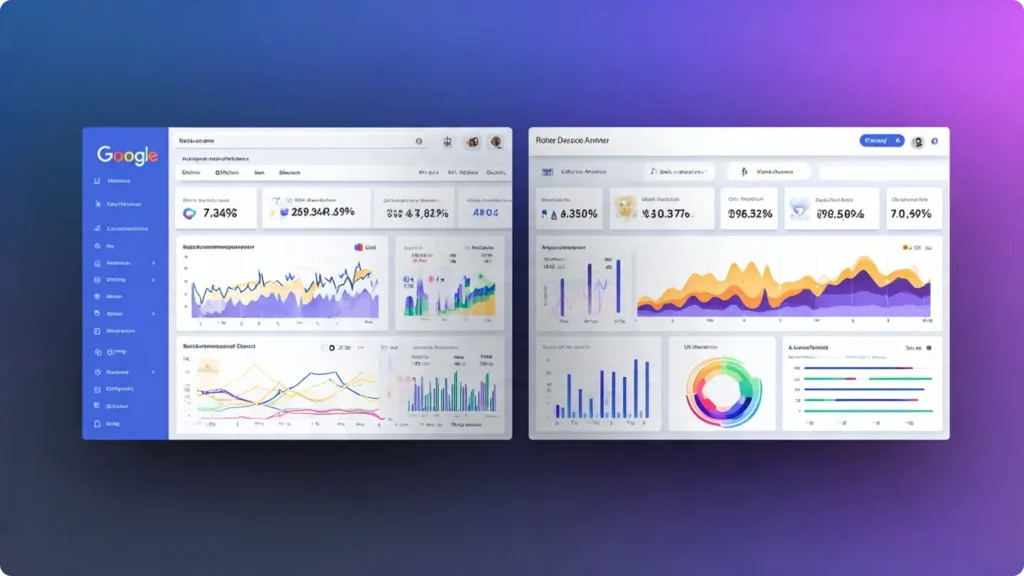
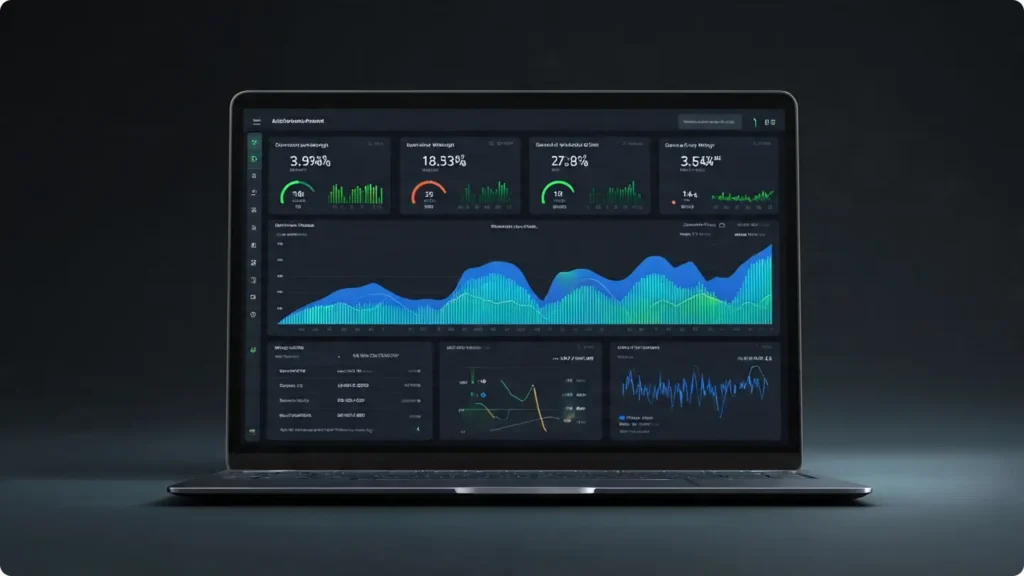
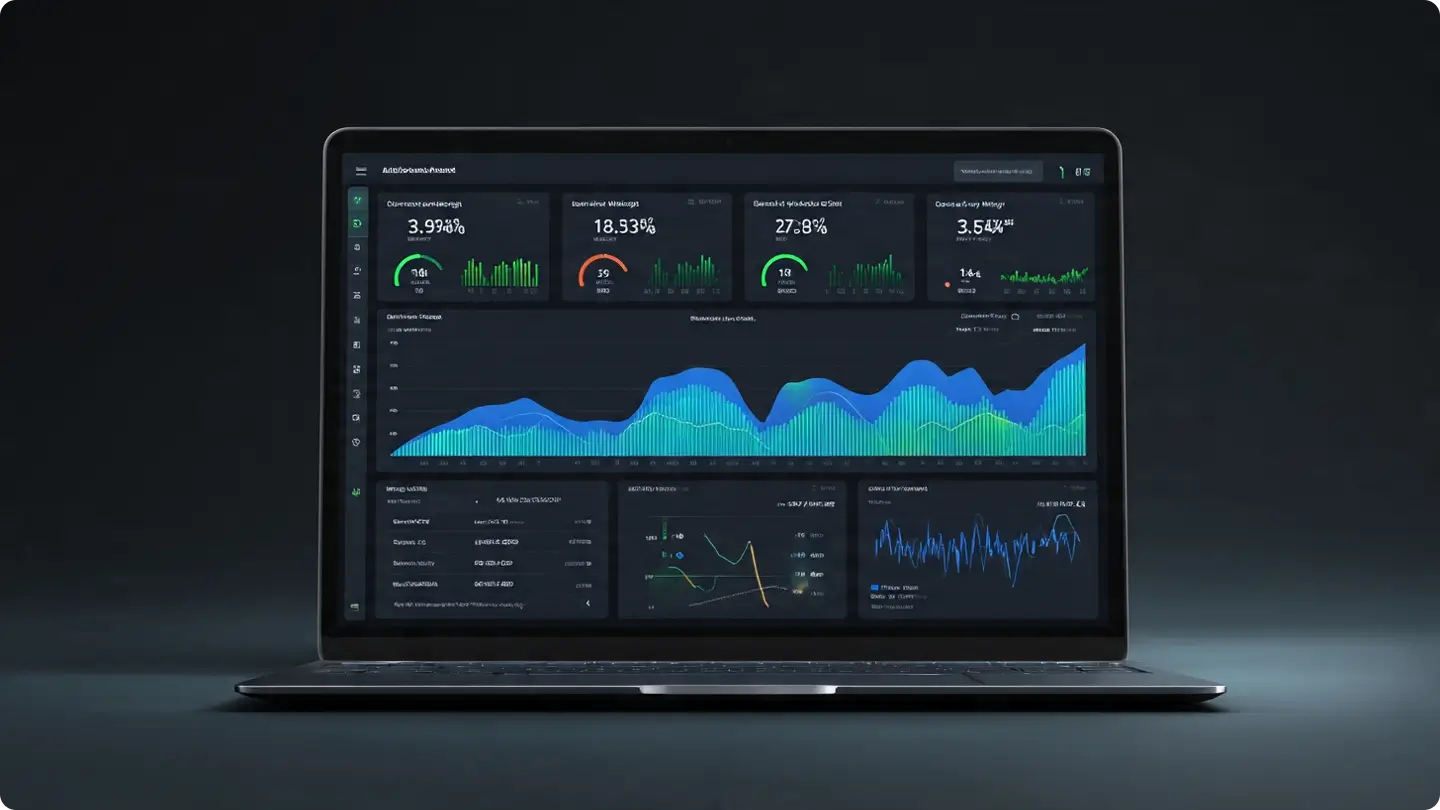
A modern website dashboard showing speed optimization metrics, fast loading indicators, performance graphs, and SEO analytics on a laptop screen, clean UI, blue and green tones, digital marketing concept, ultra realistic, 16:9 ratio
4. CATEGORY
SEO & Digital Marketing
5. TAGS
website speed optimization, page speed SEO, website performance, core web vitals, improve website speed, technical SEO, site optimization, fast loading website, SEO ranking factors
6. BLOG CONTENT
Website Speed Optimization for Better SEO and Performance
Website speed is no longer just a technical concern—it is a critical ranking factor and a key driver of user experience. A slow-loading website can hurt your search rankings, increase bounce rates, and reduce conversions. In contrast, a fast website improves engagement, builds trust, and boosts revenue.
In this comprehensive guide, you will learn how website speed optimization directly impacts SEO and how to implement proven techniques to improve performance.
Why Website Speed Matters for SEO
Search engines prioritize user experience, and speed is a major part of it. Google has clearly stated that page speed is a ranking factor, especially after the introduction of Core Web Vitals.
Key Reasons Speed Impacts SEO
- Better Rankings: Faster websites rank higher in search results
- Lower Bounce Rate: Users leave slow websites quickly
- Improved Crawl Efficiency: Search engines can index your site faster
- Higher Conversions: Speed directly affects user actions
If your website is slow, you are losing both traffic and potential customers.
Understanding Core Web Vitals
Core Web Vitals are essential metrics introduced by Google to measure user experience.
1. Largest Contentful Paint (LCP)
Measures how fast the main content loads
Ideal: Under 2.5 seconds
2. First Input Delay (FID)
Measures responsiveness
Ideal: Under 100 milliseconds
3. Cumulative Layout Shift (CLS)
Measures visual stability
Ideal: Less than 0.1
You can test these metrics using tools like:
👉 https://developers.google.com/speed/pagespeed/insights/
Common Causes of Slow Websites
Before optimizing, you need to identify what is slowing down your website.
Major Performance Issues
- Large, uncompressed images
- Excessive plugins
- Poor hosting
- Unoptimized code (CSS, JS)
- No caching system
- Too many HTTP requests
Fixing these issues can drastically improve performance.
Best Website Speed Optimization Techniques
1. Optimize Images
Images often take up the most space on a webpage.
Best Practices:
- Use modern formats like WebP
- Compress images without losing quality
- Use lazy loading
Tools like 👉 https://tinyjpg.com/ can help reduce image size.
2. Use a Content Delivery Network (CDN)
A CDN distributes your website across multiple servers worldwide, reducing load time.
Benefits:
- Faster global access
- Reduced server load
- Improved reliability
Popular CDNs include Cloudflare and AWS CloudFront.
3. Enable Browser Caching
Caching allows returning visitors to load your site faster.
What It Does:
- Stores static files locally
- Reduces server requests
- Speeds up page loading
4. Minify CSS, JavaScript, and HTML
Minification removes unnecessary characters from code.
Benefits:
- Smaller file sizes
- Faster load time
- Improved performance
You can use tools like:
👉 https://developers.google.com/speed/pagespeed/insight
5. Improve Server Response Time
Your hosting plays a major role in website speed.
Tips:
- Choose high-performance hosting
- Use VPS or cloud hosting
- Reduce database queries
6. Reduce HTTP Requests
Each element on your page creates a request.
How to Reduce:
- Combine CSS and JS files
- Limit external scripts
- Use fewer plugins
7. Enable Gzip Compression
Compression reduces file sizes before sending them to users.
Result:
- Faster page load
- Reduced bandwidth usage
8. Use Lazy Loading
Lazy loading delays loading images until they are needed.
Advantages:
- Faster initial load
- Better user experience
- Reduced data usage
Mobile Speed Optimization
Mobile users make up the majority of web traffic. Optimizing for mobile is essential.
Key Mobile Optimization Tips
- Use responsive design
- Avoid heavy scripts
- Optimize fonts and layouts
- Reduce pop-ups
A fast mobile site improves both SEO and user satisfaction.
Tools to Measure Website Speed
Using the right tools helps you identify and fix performance issues.
Recommended Tools
- Google PageSpeed Insights
- GTmetrix
- Pingdom Tools
These tools provide actionable insights to improve your site.
How Speed Impacts User Experience
Speed directly affects how users interact with your website.
User Behavior Insights
- 53% of users leave if a page takes more than 3 seconds
- Faster sites have higher engagement
- Smooth performance builds trust
A fast website creates a positive impression and keeps users coming back.
Website Speed and Conversion Rates
Speed is not just about SEO—it directly impacts your revenue.
Benefits of Faster Websites
- Increased sales
- Higher lead generation
- Better user retention
Even a 1-second improvement can significantly boost conversions.
Internal Optimization Strategy
If you are managing your website like 👉 https://infoexpan.com, it is essential to continuously monitor and improve speed performance.
You can implement all the above strategies to ensure your site remains competitive and ranks higher in search engines. Regular audits and updates are key to long-term success.
Conclusion
In conclusion, website speed optimization is a critical factor that directly impacts SEO rankings, user experience, and overall business performance. A fast-loading website not only improves search engine visibility but also keeps users engaged, reduces bounce rates, and increases the chances of conversions. Businesses that prioritize speed gain a strong competitive advantage in the digital landscape.
By implementing the right optimization techniques such as image compression, caching, CDN usage, and performance monitoring, you can significantly enhance your website’s efficiency. Consistent testing and improvements ensure long-term success, helping your website deliver a seamless experience while achieving better rankings and higher revenue growth.
For more advanced digital marketing and ecommerce strategies, visit:
👉 https://infoexpan.com