Introduction
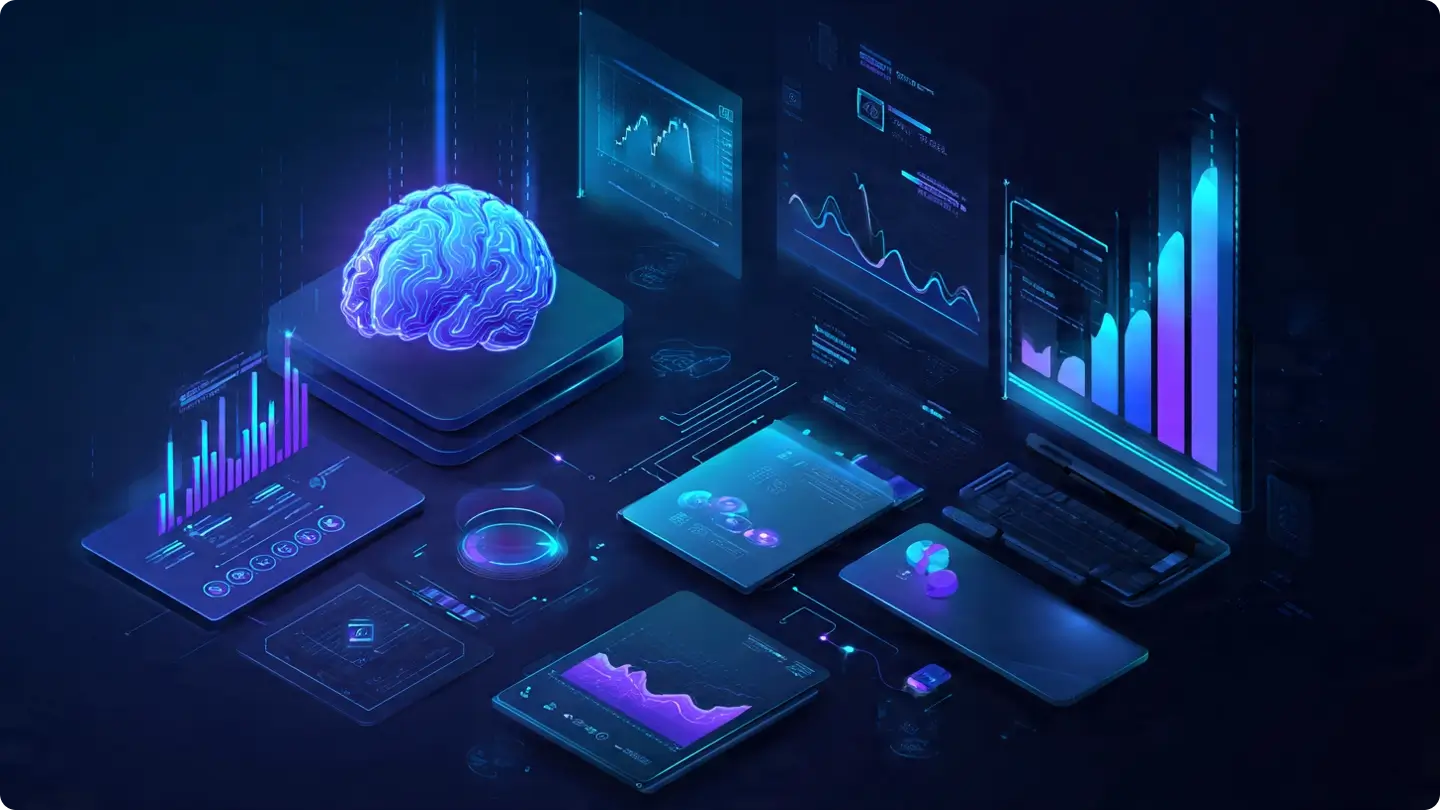
Artificial Intelligence is no longer a future concept—it is actively reshaping how businesses connect with customers online. From intelligent automation to data-driven decision-making, AI is helping marketers achieve faster results with greater accuracy. Businesses that fail to adopt AI in their digital marketing strategies risk falling behind in an increasingly competitive digital environment.
Artificial Intelligence (AI) is rapidly transforming the digital marketing landscape. What once required manual effort and guesswork is now powered by intelligent systems that analyze data, predict behavior, and automate processes.
In 2026, businesses that adopt AI-driven marketing strategies gain a significant competitive advantage. They can reach the right audience, deliver personalized experiences, and optimize campaigns in real time.
Companies like InfoExpan help businesses implement AI-powered marketing systems that drive measurable growth and efficiency.
In this guide, you will learn how AI is revolutionizing digital marketing and how you can use it to grow your business.
What is AI in Digital Marketing?
AI in digital marketing refers to the use of machine learning, data analytics, and automation tools to improve marketing performance.
It helps businesses:
- Analyze customer behavior
- Predict trends
- Automate repetitive tasks
- Personalize user experiences
AI allows marketers to make smarter decisions and achieve better results.
Why AI is Important in Digital Marketing
AI is not just a trend—it is becoming essential for success.
Key Benefits:
1. Better Targeting
AI analyzes user data to identify the right audience.
2. Personalization
Delivers customized content based on user preferences.
3. Automation
Reduces manual work and increases efficiency.
4. Improved ROI
Optimizes campaigns for better results.
Core Applications of AI in Digital Marketing
1. Predictive Analytics
AI predicts user behavior based on data.
Benefits:
- Identify potential customers
- Improve targeting
- Increase conversions
2. Chatbots and Customer Support
AI-powered chatbots provide instant responses.
Advantages:
- 24/7 availability
- Faster customer service
- Improved user experience
3. Content Personalization
AI helps deliver personalized content to users.
Examples:
- Product recommendations
- Customized emails
- Dynamic website content
4. Ad Optimization
AI improves ad performance by analyzing data.
Features:
- Automatic bidding
- Audience targeting
- Performance optimization
5. Email Marketing Automation
AI enhances email marketing campaigns.
Benefits:
- Personalized emails
- Automated workflows
- Higher open rates
Role of AI in SEO
AI also plays a major role in SEO strategies.
How AI Helps:
- Keyword analysis
- Content optimization
- Search intent understanding
- Ranking predictions
To implement advanced SEO strategies, visit
👉 https://infoexpan.com
AI-Powered Customer Segmentation
AI helps businesses divide their audience into highly targeted segments based on behavior, interests, and demographics.
This allows marketers to deliver more relevant content, resulting in better engagement and higher conversion rates.
AI in Social Media Marketing
AI tools analyze user interactions and optimize social media campaigns.
They help:
- Schedule posts at the best time
- Identify trending topics
- Improve engagement rates
AI for Content Creation
AI tools can generate blog ideas, outlines, and even full content.
This helps businesses:
- Save time
- Maintain consistency
- Scale content production
However, human editing is essential for quality and authenticity.
AI in Voice Search Optimization
With the rise of voice assistants, AI helps optimize content for voice queries.
Focus on:
- Conversational keywords
- Question-based content
- Natural language
Real-Time Data Analysis with AI
AI processes large amounts of data instantly.
Benefits:
- Faster decision-making
- Immediate campaign adjustments
- Improved performance tracking
AI in Video Marketing
AI enhances video marketing through:
- Automated editing
- Personalized video recommendations
- Performance analysis
Video content becomes more targeted and engaging.
Step-by-Step AI Marketing Strategy
Step 1: Define Goals
Set clear objectives:
- Increase traffic
- Generate leads
- Improve conversions
Step 2: Collect Data
Gather data from:
- Website analytics
- Social media
- Customer interactions
Step 3: Choose AI Tools
Select tools for:
- Automation
- Analytics
- Personalization
Step 4: Implement Automation
Automate:
- Emails
- Ads
- Customer interactions
Step 5: Analyze and Optimize
Use AI insights to improve performance.
Common Mistakes to Avoid
Avoid these mistakes:
- Over-reliance on automation
- Ignoring data quality
- Lack of strategy
- Poor implementation
Future Trends in AI Marketing
AI will continue to evolve in digital marketing.
Key Trends:
- Advanced personalization
- Voice search integration
- AI-generated content
- Predictive marketing
Conclusion
AI is transforming digital marketing by making it smarter, faster, and more efficient. Businesses that adopt AI-driven strategies can improve targeting, increase conversions, and achieve sustainable growth.
To implement AI marketing effectively, explore expert solutions at
👉 https://infoexpan.com
Ready to grow your business using AI-powered marketing?
👉 Visit https://infoexpan.com and discover advanced digital marketing solutions.
Start leveraging AI for smarter growth today.